Menu
Same-Day Service Available!
Carpet odors are one of the most frustrating problems homeowners face. You clean the carpet, the room smells better for a short time, and then the odor slowly comes back. Many people assume this means the carpet is old or permanently damaged, but in most cases, recurring odors are a sign that the real source was never fully removed.
Odors in carpet do not usually live on the surface. They develop below the fibers, where spills, pet accidents, moisture, and residue settle over time. Even carpets that look clean can trap odor-causing material deep within the fibers and padding. When this happens, vacuuming, spot cleaning, or using scented products may only mask the smell temporarily.
Busy households in San Antonio often deal with a combination of heat, humidity, pets, and daily foot traffic. These conditions make it easier for moisture and organic material to settle into carpets, creating the perfect environment for odors to linger. Kitchens, living rooms, bedrooms, and high-traffic areas are especially vulnerable.
Understanding why carpet odors keep coming back is the first step toward fixing them for good. In this guide, we will break down the most common causes of recurring carpet odors, explain why many DIY solutions fail, and outline what actually works to remove odors instead of covering them up.
Carpet odors rarely come from one simple cause. In most homes, smells return because odor-causing material remains trapped below the surface, even after cleaning. Understanding these hidden sources helps explain why odors seem to disappear, then come back.
Carpet fibers hide what you cannot see. Liquids and residue move downward, settling deep into the carpet and padding where household cleaning cannot reach.
Common sources include:
Once these materials settle below the fibers, surface cleaning no longer solves the problem.
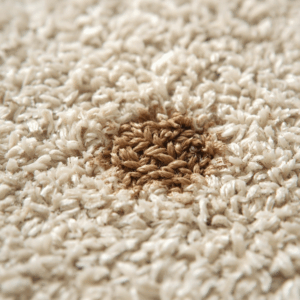
Moisture plays a major role in recurring carpet odors. Even small amounts of dampness can reactivate odor-causing material.
Moisture often comes from:
When moisture returns, odors often return with it.
Many carpet cleaners leave behind residue that feels invisible but acts like a magnet for dirt and odor.
Residue buildup can cause:
Instead of removing odor sources, residue often locks them in place.
Deodorizers and fragrances may improve how a room smells briefly, but they do not address the cause of the odor.
This leads to:
Masking odors delays real solutions.
Vacuuming removes loose debris but cannot reach moisture, residue, or odor sources deep in the carpet.
Signs vacuuming is not enough include:
In the next section, we will look at the most common odor sources homeowners face, including pets, spills, and everyday household use, and why they are so difficult to remove without deeper cleaning.
Recurring carpet odors usually come from everyday situations that push moisture and organic material below the surface. Even when spills are cleaned quickly, odor sources can remain trapped where household cleaning cannot fully reach.
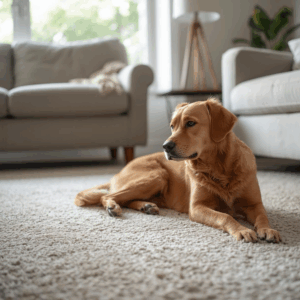
Pet-related odors are one of the most common causes of recurring carpet smells. Even small accidents can soak through carpet fibers and into the padding.
These odors often return because:
Over time, the smell can resurface whenever humidity rises or the carpet becomes slightly damp.
Food and beverage spills are not always obvious once they dry, but they often leave behind residue that causes odors later.
Common odor triggers include:
Even when the carpet looks clean, these materials can continue to break down below the surface.
Carpets do not need a visible spill to develop odors. Daily activities introduce moisture that slowly builds up over time.
This includes:
In warmer climates, this moisture can intensify odor problems.
Cleaning residue is a hidden contributor to odor problems. Soap and cleaner left behind can trap dirt and moisture, creating an environment where odors linger.
Signs residue may be involved include:
Odors often concentrate in specific areas of the home rather than across the entire carpet.
Common zones include:
These areas absorb more moisture and debris, making them more likely to hold onto odors.
Understanding where odors come from helps explain why surface-level solutions often fail. In the next section, we will explain why common DIY odor fixes rarely work long term and how they can sometimes make odor problems worse.
When carpet odors keep coming back, most homeowners try a series of DIY fixes before considering professional help. While these solutions may improve the smell briefly, they usually fail to remove the source of the odor. In some cases, they can even make the problem worse.
Carpet powders and sprays are designed to add fragrance, not eliminate odor-causing material. They sit on top of the carpet fibers while moisture and residue remain below the surface.
This often leads to:
Masking odors delays proper treatment and allows the source to linger.
Natural remedies like vinegar and baking soda are popular because they feel safer and more affordable. While they can help with very mild odors, they are rarely effective for deeper issues.
Common limitations include:
For odors below the surface, these methods are usually not enough.
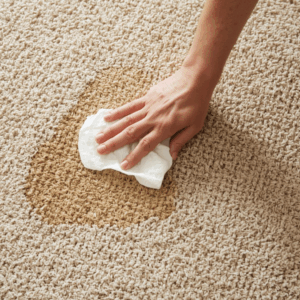
Many DIY approaches involve adding water or liquid cleaners. Without proper extraction, that moisture stays trapped in the carpet and padding.
This can cause:
Moisture is one of the biggest contributors to recurring carpet odors.
Aggressive scrubbing can push odor-causing material further into the carpet instead of removing it. This is especially common with pet accidents and food spills.
Scrubbing may result in:
DIY odor treatments often create a repeating pattern. The smell improves briefly, then returns, leading to more product use and more residue.
Signs of this cycle include:
Breaking this cycle usually requires deeper cleaning methods designed to remove odor sources, not cover them up. In the next section, we will explain what actually works to fix carpet odors and why professional carpet cleaning delivers longer-lasting results.
Fixing carpet odors for good requires removing the source, not masking it. When odor-causing material is lifted out of the carpet and padding, smells have nothing left to cling to. This is where professional carpet cleaning makes a meaningful difference.
True odor removal focuses on what cannot be seen. Professional carpet cleaning methods are designed to reach deeper into the carpet fibers and address moisture, residue, and organic material trapped below the surface.
This approach helps:
When the source is removed, odors are far less likely to return.
Residue plays a major role in recurring odors. If cleaning leaves soap behind, it creates a sticky environment where dirt and odor can settle again quickly.
Residue-free cleaning helps:
Cleaner fibers stay fresher longer.
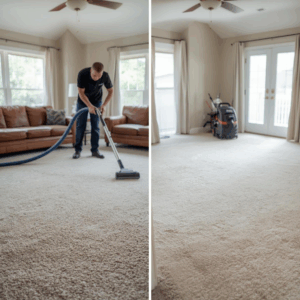
Odors often resurface when carpets stay damp too long. Faster drying limits the chance for smells to reactivate.
Benefits of faster drying include:
Proper moisture control is essential for long-term odor relief.
If odors keep returning after DIY efforts, it usually means the problem is deeper than surface cleaning can reach. Professional carpet cleaning is designed to address these deeper issues safely and consistently.
Signs professional help is needed include:
Addressing the source instead of the symptom is the key to long-lasting results.
Recurring carpet odors are not just a nuisance. Over time, they can impact how comfortable a home feels and how well carpets hold up under daily use. Odors often signal deeper issues that should not be ignored.
When smells keep returning, it usually means moisture is still present below the surface. Even small amounts of trapped moisture can affect carpet fibers and padding.
This can lead to:
Moisture-related odor problems rarely resolve on their own.

As odor-causing material remains trapped, carpets may begin to feel different underfoot. Fibers can lose softness and resilience.
Homeowners may notice:
These changes often happen gradually, making them easy to overlook at first.
Carpet odors do not stay confined to one spot. As air circulates, smells can spread and settle into nearby furniture, rugs, and fabrics.
This can cause:
Addressing odors at the carpet level helps improve comfort throughout the space.
DIY solutions can help with minor issues, but there comes a point when professional carpet cleaning is the most effective option. Recognizing that moment helps homeowners avoid ongoing frustration and repeated temporary fixes.
If odors return quickly after cleaning, it often means the problem is deeper than surface-level care.
Common signs include:
These signs point to buildup below the fibers.
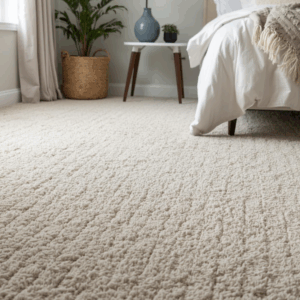
Professional carpet cleaning focuses on removing odor sources rather than masking them. This approach helps reset the condition of the carpet instead of layering products on top.
Benefits include:
Deeper cleaning helps break the cycle of recurring odors.
Once odor sources are removed, maintaining fresher carpets becomes easier. Professional cleaning paired with simple habits helps prevent new problems from forming.
Helpful steps include:
Proactive care is often more effective than reactive fixes.
Most odors come from moisture, residue, or organic material trapped below the surface. Surface cleaning improves smell briefly but does not remove the source.
Yes. Humidity can reactivate odor-causing material in carpet and padding, especially in warm climates.
Deodorizers usually mask smells rather than remove them. Once the scent fades, the odor often returns.
Pet-related odors are often more persistent because moisture can reach the carpet padding, where DIY cleaning cannot fully penetrate.
These methods may help with very mild odors, but they rarely remove deeper odor sources and can add moisture to the carpet.
DIY cleaning often leaves behind residue or moisture, which traps odor-causing material and allows smells to resurface.
Yes. Padding absorbs spills and moisture over time. If odors reach the padding, surface cleaning alone may not solve the problem.
Most homes benefit from professional carpet cleaning every 6 to 12 months. Homes with pets or high traffic may need more frequent service.
They can. These areas collect more dirt and moisture, making them more likely to trap odor-causing material.
If odors keep returning after multiple attempts, or become stronger over time, professional cleaning is usually needed.
Recurring carpet odors are frustrating, especially when carpets look clean but never seem to smell fresh for long. In most cases, the problem is not the carpet itself, but what is trapped below the surface. Moisture, residue, pet accidents, and everyday household use can all contribute to odors that return after routine cleaning.
Understanding why odors come back helps homeowners avoid temporary fixes that only mask the issue. Deodorizers, DIY remedies, and repeated surface cleaning often create a cycle of short-term improvement followed by lingering smells. Real odor control starts by removing the source, not covering it up.
Professional carpet cleaning focuses on lifting odor-causing material out of the carpet and reducing residue and moisture that allow smells to linger. When deeper cleaning methods are used, carpets stay fresher longer and become easier to maintain between services. If carpet odors continue to return despite your best efforts, it may be time to address the problem at its source. Schedule now to experience professional carpet cleaning that helps restore a cleaner, fresher home environment.