Menu
Same-Day Service Available!
Hardwood floors can change the entire feel of a room. When they are clean and well maintained, they reflect light beautifully, show off the natural grain of the wood, and make a home feel warm and polished without looking overly formal.
Over time, however, that shine can begin to fade.
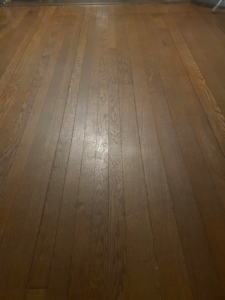
The floor may still be in good condition, yet it looks duller than it once did. Certain areas may have a cloudy film. High-traffic pathways may appear flatter or darker than the wood near the walls. Mopping may seem to help for a few minutes, but once the floor dries, the same hazy appearance returns.
For homeowners in San Antonio, Texas, 78260, this is a common frustration. Busy households naturally bring in dust, fine grit, pet hair, food residue, cleaning products, and everyday soil. All of those materials can affect the appearance of a hardwood finish.
Professional hardwood floor cleaning can help when routine maintenance is no longer enough. However, understanding why the floor has become dull is just as important as cleaning it. Not every loss of shine means the wood itself is damaged. Sometimes the problem is simply buildup sitting on top of the finish. In other cases, years of foot traffic have gradually worn the finish and the floor may need a different type of professional care.
Knowing the difference can prevent homeowners from using the wrong products or accidentally making a dull floor look worse.
Most wood floors do not suddenly become dull overnight.
The change usually happens a little at a time.
A family walks through the same hallway hundreds of times. A dog runs from the back door to the kitchen. Shoes carry tiny particles of outdoor dirt inside. A mop spreads a small amount of cleaning product across the floor each week.
Each individual event seems harmless.
Together, they can slowly change how the surface looks.
One reason homeowners do not notice immediately is that the entire floor often changes gradually. You may not recognize how dull the main walkway has become until you move a piece of furniture and see the brighter wood underneath.
The difference can be surprising.
Protected areas may still show the original clarity of the finish, while the exposed sections appear cloudy or flat.
This comparison is one of the easiest ways to recognize that everyday use has affected the surface.
When people talk about hardwood floors losing their shine, they are usually noticing a change in the floor's finish.
Hardwood floors typically have a protective coating that sits over the wood or penetrates the surface depending on the flooring system.
The National Wood Flooring Association explains that finishes protect wood floors from everyday wear. Different finishes have different appearances and maintenance requirements, which is why knowing what is on your floor matters before choosing a cleaning method.
The finish helps give the floor its sheen.
When the surface is clean and intact, light reflects more evenly.
When fine scratches, residue, oils, and soil cover the surface, the light becomes scattered. The floor then appears dull even though the wood underneath may still be in good shape.
Professional hardwood floor cleaning focuses on removing surface contamination without unnecessarily damaging that protective layer.
One of the biggest causes of dull hardwood floors is something homeowners may barely be able to see.
Fine dirt.
Tiny particles of sand, grit, dust, and outdoor soil can enter the home on shoes, pet paws, bags, and clothing.
Once those particles are on the floor, foot traffic can move them around.
Each step may drag small pieces of grit across the finish.
The damage is usually not dramatic enough to notice individually.
However, repeated movement can create countless tiny scratches.
These microscopic scratches interfere with the way light reflects from the surface. Eventually, the wood begins looking less glossy.
High-traffic areas are usually affected first.
Hallways, kitchens, entryways, living-room walkways, and paths between commonly used rooms tend to lose clarity sooner than protected sections.
The National Wood Flooring Association recommends routine sweeping, dust mopping, or vacuuming with a bare-floor setting to remove dirt before it contributes to wear.
Preventing abrasive dirt from remaining on the floor is one of the simplest ways to help preserve its appearance.
Homeowners sometimes assume a dull hardwood floor needs more cleaner.
Unfortunately, more product may be exactly what the floor does not need.
Certain cleaners can leave residue behind.
Each time the floor is cleaned, another small amount may remain on the surface. Eventually, the layers create a cloudy or streaky film.
This buildup can be especially noticeable when sunlight enters through windows.
Instead of seeing a clear reflection, homeowners notice smears, footprints, or a hazy appearance.
The problem becomes frustrating because repeated mopping often makes it worse.
More solution creates more residue.
Products marketed as polish, shine enhancer, restorer, or multi-surface cleaner can also affect hardwood differently depending on the finish.
The NWFA specifically cautions against using inappropriate floor products and notes that polishes, waxes, and restorers may cause floors to appear dull quickly.
Using a product made for the specific hardwood finish is much safer than assuming every bottle labeled for floors is appropriate.

Water and wood require a careful balance.
Hardwood floors can tolerate appropriate cleaning when the method matches the finish and manufacturer recommendations.
Excess water is different.
Wet mopping can introduce more moisture than the floor needs.
Water may sit in seams or work between boards.
Repeated exposure can affect both the finish and the wood.
The NWFA recommends cleaning spills promptly with a dry or slightly damp cloth and advises against wet mops and steam mops because they can damage the finish and wood over time.
Steam is particularly tempting because many homeowners associate it with deep cleaning.
Hardwood is not tile, though.
A method that works well on another hard surface may be too aggressive for wood.
A careful hardwood floor cleaning method uses controlled moisture instead of flooding the surface.
Even perfectly maintained hardwood eventually shows evidence of use.
Walking creates friction.
Shoes create more friction.
Pets add claws and paw traffic.
Furniture moves slightly.
Dining chairs slide in and out.
Children play on the floor.
Over thousands of repetitions, the protective surface begins to experience wear.
High-use areas may become dull before the rest of the floor.
You may notice a path from the kitchen to the family room that appears less reflective.
The floor beneath an area rug may look brighter because it has been protected.
This does not always mean something is wrong with the cleaning routine.
Normal wear is part of owning real wood floors.
Cleaning can remove buildup, but it cannot replace finish that has physically worn away.
Recognizing this distinction is important.
Homes are active environments.
People walk barefoot.
Dogs stretch out on the floor.
Children sit down to play.
Hands touch the surface during cleaning and daily life.
Natural oils can transfer onto hardwood.
Pets may also leave oils from their coats along with dirt from their paws.
Individually, these amounts are small.
Over time, however, oily residue can combine with dust and create darker or dull-looking sections.
This often becomes noticeable near couches, beds, pet resting areas, or frequently used pathways.
Routine hardwood floor cleaning helps remove this type of buildup before it becomes more difficult to manage.
Pet owners can also help by wiping dirty paws after outdoor time and keeping water-bowl spills under control.
Hardwood installed near kitchens can experience a different kind of buildup.
Cooking releases tiny amounts of grease and airborne residue.
Those particles can settle on nearby floors.
Once there, dust sticks to the oily layer.
A floor can then begin looking dull even if it is swept frequently.
Homeowners may respond by mopping more often.
If the cleaner leaves residue, the combination of cooking oils, dirt, and cleaning solution can make the surface even cloudier.
A proper deep cleaning can help remove this layered buildup.
The key is using methods appropriate for wood rather than treating the floor like kitchen tile.
Outdoor soil is one of the biggest contributors to floor wear.
A shoe may look clean while still carrying tiny particles.
Driveways, sidewalks, parking areas, yards, and garages all contain grit that can enter the home.
San Antonio's active outdoor lifestyle can make this especially noticeable in entryways and main living areas.
Once grit reaches the hardwood, every footstep can move it around.
Entry mats help significantly.
Encouraging family members to remove heavily soiled shoes can help even more.
Breathable rugs positioned near doors can catch debris before it reaches larger sections of hardwood.
Just remember to clean underneath rugs regularly.
Dirt trapped underneath can still scratch the floor if the rug shifts.
Chairs and furniture are another major source of dulling.
A dining chair may move only a few inches at a time.
However, it may move dozens of times each day.
If a tiny piece of grit becomes trapped underneath a chair leg, each movement can drag the particle across the finish.
Eventually, the area around the dining table may develop a network of fine scratches.
Furniture protectors can reduce this wear.
The NWFA recommends felt protectors beneath furniture legs and advises homeowners to lift heavy furniture rather than sliding it across wood floors.
Check felt pads periodically.
A pad that collects grit underneath can create the exact problem it was supposed to prevent.
Pets and hardwood floors can coexist comfortably, but claws can contribute to surface wear.
Running, turning quickly, or jumping from furniture can leave small marks in the finish.
Larger dogs may create more noticeable scratches simply because of their weight.
Keeping nails trimmed helps.
You may still see normal signs of pet activity over time.
The NWFA notes that many pet-related scratches affect the surface finish and may sometimes be addressed through professional maintenance, while deeper damage may require repair or refinishing.
Hardwood floor cleaning can remove soil that makes scratches appear more noticeable, but cleaning does not erase deep physical damage.
Natural light gives hardwood a beautiful appearance.
It can also change wood and finish coloration over time.
Sections exposed to direct sunlight may gradually change differently from areas protected by rugs or furniture.
When furniture is rearranged, homeowners may notice variations in tone.
This is different from cleaning-related dullness.
A floor can be perfectly clean and still show color variation caused by long-term light exposure.
Moving rugs periodically may help the floor age more evenly.
Window treatments can also reduce intense direct exposure during certain parts of the day.
Professional hardwood floor cleaning may make the surface look clearer, but it cannot reverse natural color changes caused by sunlight.
A dull floor naturally makes homeowners want to restore the shine.
Store shelves are filled with products promising instant gloss.
Some may not be appropriate for your particular finish.
Applying wax, polish, or shine-restoring products over an incompatible surface can create streaking, uneven shine, or buildup.
The floor may initially appear glossier.
A few weeks later, traffic areas can begin looking cloudy again.
More product is applied.
The cycle continues.
Eventually, the floor may have layers of material sitting on top of the actual finish.
This is one reason we recommend understanding your floor before adding products designed to change its appearance.
Cleaning and polishing are not automatically the same thing.
A clean surface can reveal the natural sheen already present in the finish.
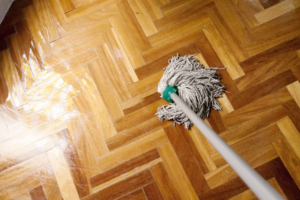
Many homeowners reach a point where their usual cleaning routine no longer creates the same result.
They sweep.
They mop.
The floor dries.
It still looks dull.
This usually means one of several things is happening.
Surface buildup may be too established for routine maintenance.
The cleaner itself may be leaving residue.
Fine scratches may have accumulated.
The protective finish may be experiencing wear.
Professional hardwood floor cleaning can help determine whether deep cleaning is enough or whether the floor needs a different type of service.
Safe-Dry® of San Antonio offers professional hardwood floor cleaning for local homes, using a low-moisture, pH-neutral approach designed to remove fine dirt and surface haze while protecting the wood's finish.
Homeowners can explore the local hardwood service through the Safe-Dry® San Antonio hardwood floor cleaning page. Safe-Dry® San Antonio hardwood floor cleaning
Cleaning and refinishing solve different problems.
Professional hardwood floor cleaning focuses on contaminants sitting on or near the surface.
This may include fine dirt, sticky residue, oils, cleaning product film, and everyday buildup.
Refinishing addresses the actual finish and sometimes the wood underneath.
If the protective coating has worn away, deep scratches are present, or bare wood is exposed, cleaning alone cannot rebuild the missing finish.
The NWFA explains that dull floors may sometimes benefit from a maintenance coat, while deeper scratches, dents, or exposed bare wood can require sanding and refinishing.
Knowing where your floor falls on that spectrum prevents unrealistic expectations.
Many dull floors are simply dirty.
Others are worn.
Some are both.
A few clues suggest buildup may be the bigger problem.
The floor looks cloudy rather than scratched.
Footprints appear easily after cleaning.
Sections under furniture look much clearer than open areas.
The surface feels slightly tacky.
Mop streaks remain after drying.
The shine improves temporarily when residue is removed from a small test area.
These signs often point toward material sitting on the finish.
A professional hardwood floor cleaning service can help remove that buildup in a controlled way.
Other signs point toward wear rather than simple soil.
High-traffic areas remain dull even after thorough professional cleaning.
Deep scratches are visible.
The finish appears missing in places.
Bare wood can be seen.
There are dents or gouges.
The floor has uneven sheen because certain sections have worn significantly more than others.
In these cases, cleaning may improve the overall appearance but cannot restore a missing protective layer.
A flooring professional may recommend recoating or refinishing.
Professional cleaning begins with evaluating the floor.
We want to understand what type of buildup is present and how the finish appears.
A controlled cleaning process can then remove material that ordinary sweeping and mopping leave behind.
Safe-Dry® of San Antonio describes its local hardwood floor cleaning as a low-moisture service using specialized pH-neutral solutions intended to lift surface contaminants without harming the wood's factory finish.
The goal is not to artificially coat the floor with shine.
It is to remove the dulling layer so the existing finish can look clearer.
Professional cleaning may also help homeowners understand whether additional floor care is needed afterward.
Hardwood does not need to be soaked to become clean.
Controlled moisture reduces unnecessary exposure while allowing appropriate cleaning products and equipment to work on the surface.
Safe-Dry® uses a low-moisture approach for hardwood floor cleaning in San Antonio.
This method is designed around the needs of wood rather than borrowing techniques from carpet, tile, or another surface.
A floor should receive the cleaning process appropriate for its construction.
Using less moisture also helps the cleaned areas return to normal use quickly.
Homeowners can do a lot to protect the appearance of hardwood between professional visits.
The best routine is usually simple.
Start by sweeping with a soft broom, using a microfiber dust mop, or vacuuming with an appropriate bare-floor setting.
This step is more important than many people realize.
Dry grit can scratch the floor if it becomes trapped beneath a wet mop.
Removing loose particles first helps prevent that abrasive material from being dragged across the finish.
The NWFA recommends regular dry cleaning for exactly this reason.
Do not assume every hardwood cleaner works with every finish.
If possible, use the product recommended by the flooring manufacturer or installer.
The NWFA also recommends using a cleaner made specifically for the finish on your floor.
Follow dilution and application instructions carefully.
More cleaner does not mean more shine.
Use only the amount of moisture recommended for your floor.
Avoid leaving puddles behind.
If water collects in seams, wipe it up promptly.
A slightly damp cleaning method is very different from wet mopping.
Wood should never remain visibly soaked after routine cleaning.
Working in manageable sections makes it easier to control moisture and prevent streaking.
Do not cover the entire room in cleaning solution at once.
Clean a section, allow it to dry, and move forward.
This also gives you a better view of whether the cleaning method is improving the surface.
Food spills, pet water, drinks, and household accidents should not sit on wood longer than necessary.
Blot or wipe them promptly using the method recommended for your finish.
Avoid scrubbing aggressively.
Fast response limits the amount of time moisture or sticky residue remains on the surface.
Place appropriate mats near commonly used doors.
Shake, vacuum, or wash them regularly depending on the material.
A dirty entry mat stops being helpful when it is full of grit.
Reducing the amount of dirt entering the home protects both hardwood and nearby carpet.
Use clean felt pads beneath furniture legs.
Check them occasionally for trapped debris or wear.
Replace damaged pads before exposed furniture edges begin scratching the floor.
Lift furniture when moving it.
Avoid dragging heavy pieces.
Trim pet nails regularly.
Wipe dirty paws after outdoor play.
Clean water-bowl spills quickly.
Simple pet routines can reduce scratches, moisture exposure, and tracked-in dirt.
If the floor becomes cloudier after every cleaning, do not keep applying the same product.
More applications may create more buildup.
Consider changing to a manufacturer-approved cleaner or scheduling professional hardwood floor cleaning.
Removing layers of incorrect product can be more difficult than preventing them.
Steam can look impressive.
The heat and visible vapor make the process feel powerful.
However, powerful does not automatically mean appropriate.
The NWFA advises against steam mops on wood floors because moisture and heat can damage the finish and wood over time.
Hardwood requires controlled cleaning.
Choosing the most aggressive machine available can turn a cosmetic concern into an actual flooring problem.
There is no single schedule that applies to every home.
Usage matters.
A household with several children and pets may need professional hardwood floor cleaning sooner than a quiet household with two adults.
Entry areas and kitchens may also need attention more frequently than bedrooms.
Look at the condition of the floor rather than relying only on the calendar.
If routine cleaning no longer removes haze, traffic areas look noticeably dull, or residue keeps returning, a deeper cleaning may be worthwhile.
Hardwood is only one part of the flooring system in many homes.
A San Antonio home may have hardwood in the living room, carpet in bedrooms, tile in bathrooms, and area rugs near entryways.
Soil moves between all of them.
A dirty rug can release grit onto hardwood.
Soiled carpet near a wood transition can track debris into the room.
Upholstery can collect pet hair and dust that eventually settles onto surrounding floors.
This is why whole-home cleaning can sometimes be more effective than focusing only on one surface.
Safe-Dry® of San Antonio also offers carpet cleaning, upholstery cleaning, rug cleaning, tile and grout cleaning, and pet odor and stain services alongside hardwood floor cleaning.
Homeowners interested in related services can explore the local San Antonio service page. Safe-Dry® Carpet Cleaning of San Antonio
Carpet cleaning may seem unrelated to dull hardwood floors, but the two surfaces often meet in the same home.
Soil trapped in carpet can move onto hardwood through normal foot traffic.
Pets also travel between rooms carrying hair, outdoor dirt, and debris.
Keeping nearby carpet clean helps reduce the amount of material circulating onto hard floors.
Professional carpet cleaning can therefore be one part of a broader home maintenance routine.
Families searching for carpet cleaning in San Antonio may also want to look at the condition of adjacent hardwood during the same period.
Safe-Dry® of San Antonio provides both professional carpet cleaning and hardwood floor cleaning, allowing homeowners to address multiple surfaces with services suited to each material.
Pet households sometimes deal with the same accident affecting more than one flooring type.
Pet urine removal on carpet is very different from cleaning a spill from hardwood.
Carpet can absorb liquid through multiple layers.
Wood floors may be vulnerable to moisture entering seams or affecting the finish.
Fast response matters for both.
If pet urine lands on hardwood, remove the moisture promptly rather than allowing it to sit.
If the accident affects nearby carpet, professional pet stain removal, pet odor removal, or pet accident cleaning may be needed depending on the severity.
Homeowners dealing with repeated dog urine removal or cat urine removal concerns should avoid treating every surface with the same product.
Different flooring materials need different care.
Area rugs are useful on hardwood.
They can protect high-use zones, add comfort, and reduce the amount of grit directly contacting the wood.
However, rugs also collect dirt.
Fine particles can work through the rug and settle underneath.
If the rug shifts, trapped grit may rub against the wood finish.
Lift area rugs periodically.
Vacuum beneath them.
Make sure both the rug and hardwood are completely dry before putting everything back in place.
Professional area rug cleaning or Oriental rug cleaning can also help when rugs become heavily soiled.
Keeping the rug clean helps protect the hardwood it is supposed to cover.
One common mistake is assuming that visible shine equals cleanliness.
A floor can be coated with polish and look glossy while still holding layers of residue underneath.
Another mistake is using too much water.
Wood should not be treated like tile.
Using the wrong cleaner is another problem.
Products intended for vinyl, laminate, tile, or other materials may leave unwanted film or affect a hardwood finish.
Skipping dry soil removal can also cause trouble.
Mopping grit around the room increases the chance of scratching.
Furniture movement creates another avoidable source of wear.
Dragging chairs, boxes, or heavy pieces can damage the surface quickly.
Finally, homeowners sometimes continue applying polish when the finish is actually worn.
Cleaning products cannot replace missing finish.
Understanding the condition of the floor is always the first step.
Cleaning product residue is one possible cause.
Using too much cleaner or an inappropriate product can leave a film on the surface.
Hard water, excessive moisture, or layers of polish may also contribute.
If switching to an appropriate maintenance routine does not help, professional hardwood floor cleaning may be useful.
Professional cleaning can often improve shine when dullness is caused by soil, oils, residue, or surface buildup.
Cleaning cannot replace finish that has worn away.
A professional inspection can help determine whether the floor mainly needs cleaning or a maintenance coat or refinishing.
Avoid assuming vinegar is appropriate for every hardwood finish.
Use products recommended for your particular flooring.
Different finishes respond differently to cleaning chemistry.
Manufacturer or flooring-professional guidance is safer than a universal DIY recipe.
The National Wood Flooring Association advises against steam mops because moisture and heat can damage wood and finishes over time.
Use a cleaning approach specifically appropriate for hardwood.
Frequency depends on household activity.
Busy areas may need daily or near-daily dry soil removal.
Homes with pets or children may also need more frequent attention.
The goal is to prevent grit from remaining on the surface where it can be dragged beneath shoes or furniture.
Traffic patterns are the most likely explanation.
Frequently used walkways experience more dirt, friction, and finish wear.
Protected sections beneath furniture or rugs receive less exposure.
This difference can make high-use areas look duller.
Yes.
Thousands of fine scratches scatter light and reduce clarity.
Professional cleaning can remove soil that makes them look worse, but deeper physical scratches may require floor maintenance or refinishing rather than cleaning alone.
Not every shine-restoring product is suitable for every hardwood finish.
Some can create buildup or compatibility issues.
The NWFA warns that certain polishes, waxes, and restorers can cause problems, including rapid dulling.
Check with your flooring manufacturer or a professional first.
Hair itself is usually not the main problem.
However, pet hair often comes with dander, skin oils, outdoor dirt, and fine grit.
Pets may also contribute scratches through nail contact.
Regular sweeping or vacuuming helps keep these materials from accumulating.
Professional cleaning can often help remove surface residue depending on what product was used and how much buildup is present.
Some coatings or polishes may require specialized removal.
Tell the technician what products you have been using if you know.
Look for exposed wood, deep scratches, dents, missing finish, or areas that remain worn after thorough cleaning.
The NWFA notes that deep damage and exposed bare wood can be indicators that sanding and refinishing are appropriate.
A professional service should use methods appropriate for the flooring and household.
Safe-Dry® of San Antonio describes its hardwood cleaning process as eco-friendly, low moisture, and designed with children and pets in mind.
Discuss any specific household concerns when scheduling.
It depends on the condition of the rest of the home.
If carpeted rooms are heavily soiled, professional carpet cleaning may help reduce the amount of dirt moving onto nearby hardwood.
Homeowners may choose to schedule several related cleaning services during the same general maintenance period.
Area rugs can actually help protect hardwood when used properly.
However, trapped dirt underneath them can scratch the finish.
Use appropriate rug pads and clean beneath rugs regularly.
Make sure the rug materials and pads are suitable for your floor finish.
Cleaning does not repair physical water damage.
Warping, cupping, staining, or damaged boards may require a flooring specialist.
Professional hardwood floor cleaning is designed for soil and buildup, not structural repair.
Remove dirt frequently, clean spills promptly, use an appropriate cleaner, avoid excessive water, maintain furniture pads, keep pet nails trimmed, and reduce outdoor soil at entrances.
Professional hardwood floor cleaning can also help periodically remove residue that everyday maintenance leaves behind.
A hardwood floor does not need to look brand new every day to be beautiful.
Real homes are active.
People walk through them.
Pets run across them.
Children play.
Chairs move.
Meals spill.
Dust settles.
Over time, all of that activity naturally changes the way a wood floor looks.
The important question is whether the dullness comes from removable buildup or actual wear.
Fine grit, oily residue, cleaning product film, pet-related soil, and everyday dirt can all sit on the finish and reduce its natural clarity.
Professional hardwood floor cleaning can help remove those layers without relying on the excessive moisture or aggressive DIY methods that may put wood floors at risk.
If the floor is physically worn, cleaning can also help clarify what condition remains underneath the buildup so homeowners can make better decisions about future maintenance.
For families in San Antonio, Texas, 78260, Safe-Dry® offers hardwood floor cleaning designed to refresh wood surfaces with a controlled, low-moisture approach.
If your floors look cloudy after mopping, traffic areas have lost their shine, or you simply cannot seem to remove years of dull buildup, it may be time to have them professionally evaluated.
You can schedule hardwood floor cleaning, request a quote, or talk with the San Antonio team about the condition of your floors and the other surfaces throughout your home.
A good cleaning routine should make hardwood easier to enjoy, not turn floor care into a constant battle with streaks and haze.
With thoughtful daily maintenance and professional hardwood floor cleaning when needed, San Antonio homeowners can help protect the warmth, character, and natural beauty that made them choose wood floors in the first place.